
A code of dots and dashes is like the Japanese language? Well, surprisingly enough they do share a lot of similarities. In class last week, we learned a lot about how morse code developed and how it is understood. But before we dive into that, here are some things you should know about Japanese.
Japanese consists of three different alphabets: Hiragana, Katakana, and Kanji, which are all used simultaneously to form words and sentences. Hiragana works similarly to the English alphabet where each character (or letter) represents a sound and they are all strung together to form different words. But here’s the difference. In English, there’s spaces between different words, however in Japanese, there are no spaces at all. The letters flow together in one continuous line only being broken up by the occasional comma. This is shown in the picture to the right since there are no spaces in the text.
When I first started learning Japanese, I found it extremely challenging to differentiate certain words from each other. For example, if you were to read this phrase in English without spaces: RACECARPET it could be read as “RACECAR PET” or “RACE CAR PET” or “RACE CARPET” and it would be hard to tell which interpretation was the correct one. Examples of these three different meanings are shown below.
As we learned in class, morse code would run into similar problems if they did not incorporate spaces in the code. Since each letter comprises of a series of dots and dashes, it was pivotal that they included silence with the length of one dot after each letter so you knew when one letter stopped and the next began, otherwise you could confuse certain letters. Unfortunately, I still run into these problems when reading Japanese since, like the English example above, it can be hard to tell where one word stops and the next begins.
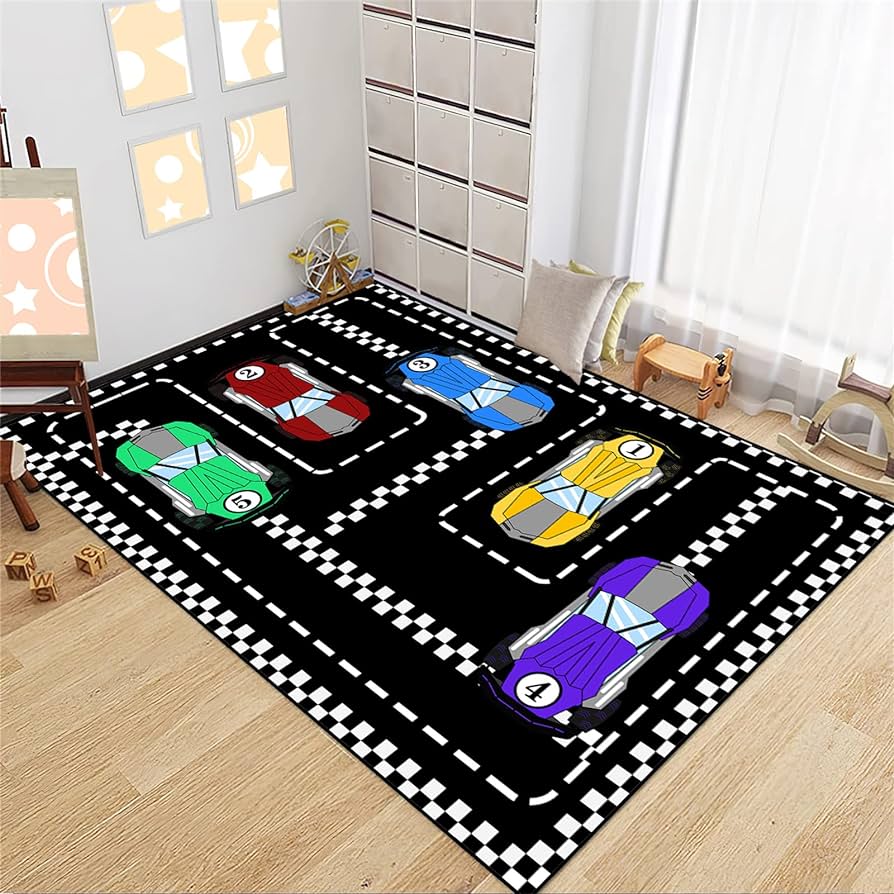
RACE CARPET (a racing themed carpet)
ドットとダッシュのコードは日本語に似ていますか?まあ、驚くべきことに、彼らは多くの類似点を共有しています。先週の授業では、モールス信号がどのように発展し、どのように理解されるのかについて多くのことを学びました。しかし、その本題に入る前に、日本語について知っておくべきことがいくつかあります。
日本語は、ひらがな、カタカナ、漢字という 3 つの異なるアルファベットで構成されており、これらはすべて同時に使用されて単語や文章を形成します。ひらがなは英語のアルファベットと同じように機能し、各文字 (または文字) が音を表し、それらがすべてつながって異なる単語を形成します。しかし、ここが違いです。英語では単語の間にスペースが入りますが、日本語ではスペースがまったくありません。文字は連続した 1 行にまとめられ、時折挿入されるコンマによって区切られるだけです。テキストにはスペースがないため、これは右の図に示されています。
初めて日本語を勉強し始めたとき、特定の単語を互いに区別するのが非常に難しいと感じました。たとえば、このフレーズをスペースなしで英語で読むと、RACECARPET は「RACECAR PET」または「RACE CAR PET」または「RACE CARPET」と読むことができ、どちらの解釈が正しいかを判断するのは困難です。これら 3 つの異なる意味の例を以下に示します。

RACECAR PET (a cross between a pet and a racecar)
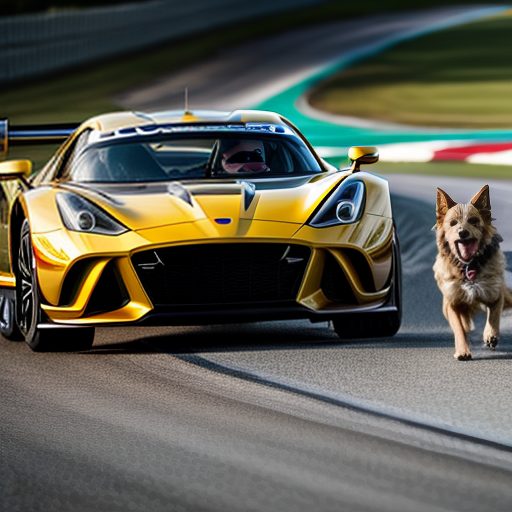
RACE CAR PET (a race, a car, and a pet. Could also be taken as a race between a car and a pet)
*This picture was generated using the WordPress AI feature with the prompt: “a race, a car, and a dog together in one picture”
Potentially add another blog post about how the efficiency of reading hiragana developed after the inefficiently complex kanji and how it correlates to the origin of morse code being the most efficient communication compared to failed prototypes. Very similar histories.